





Dean Peters
Principal Consultant and Trainer
Build smarter. Deliver better. Win bigger.
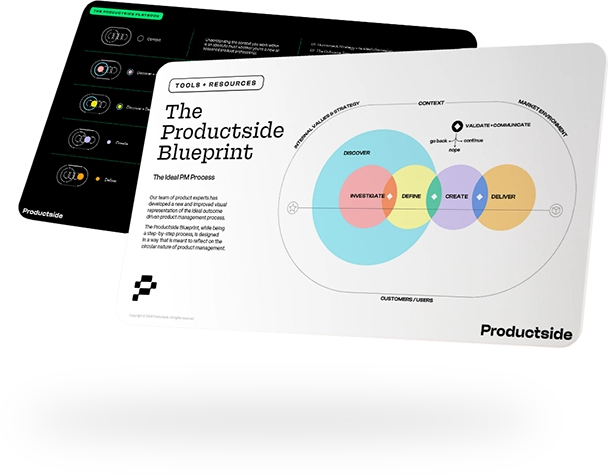
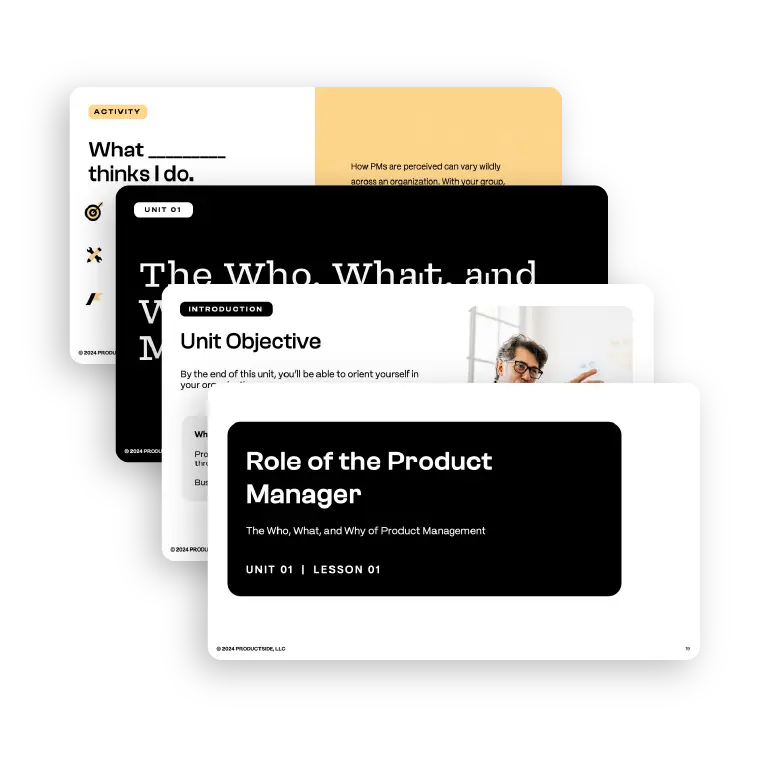
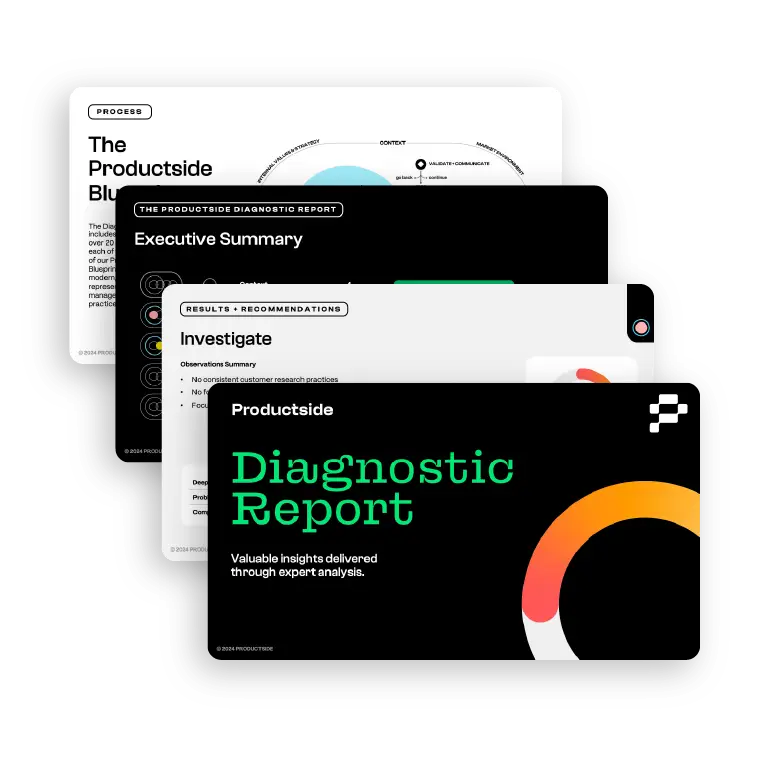
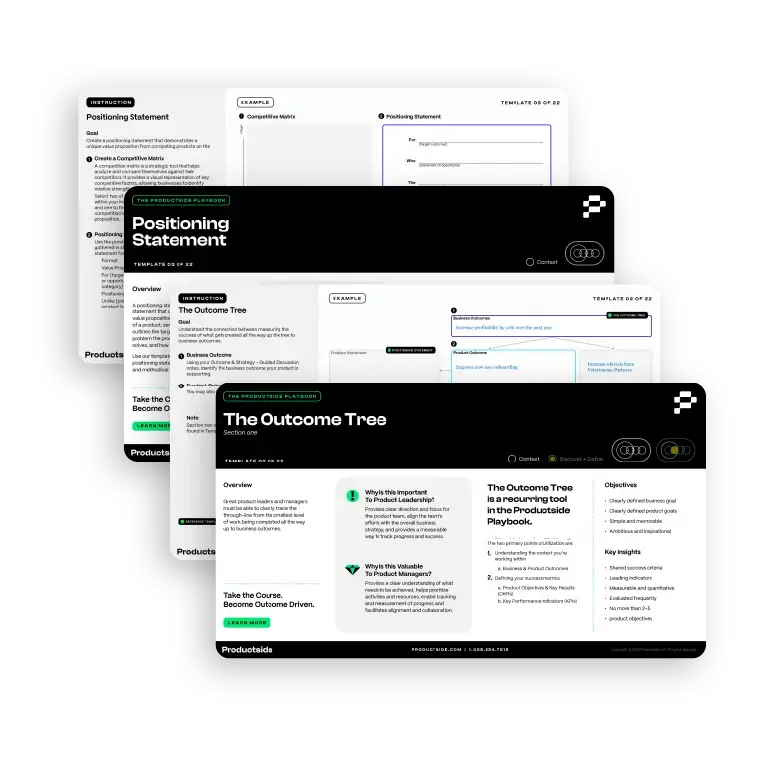
We equip you and your teams to build the right products for the right people, profitably. Choose the course and format that fits your schedule and goals.
Master the core skills of product management, from discovery to delivery. Build strategies that align with customer needs – profitably.
Design AI-driven products that deliver real business impact while using AI tools to streamline your day-to-day PM workflows.
Apply design thinking, rapid experimentation, and data-driven strategies to build and scale.
Lead your team effectively in high-speed environments. Master agile practices. Keep your roadmaps adaptable.
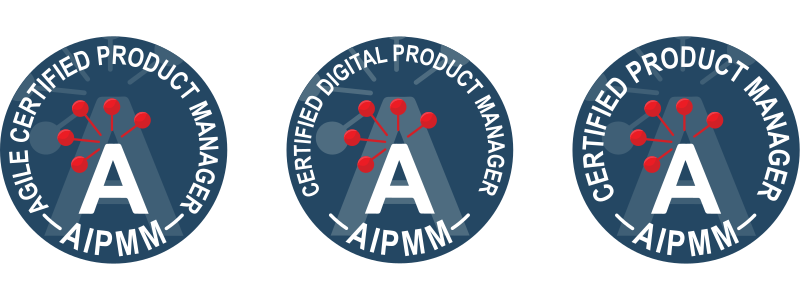
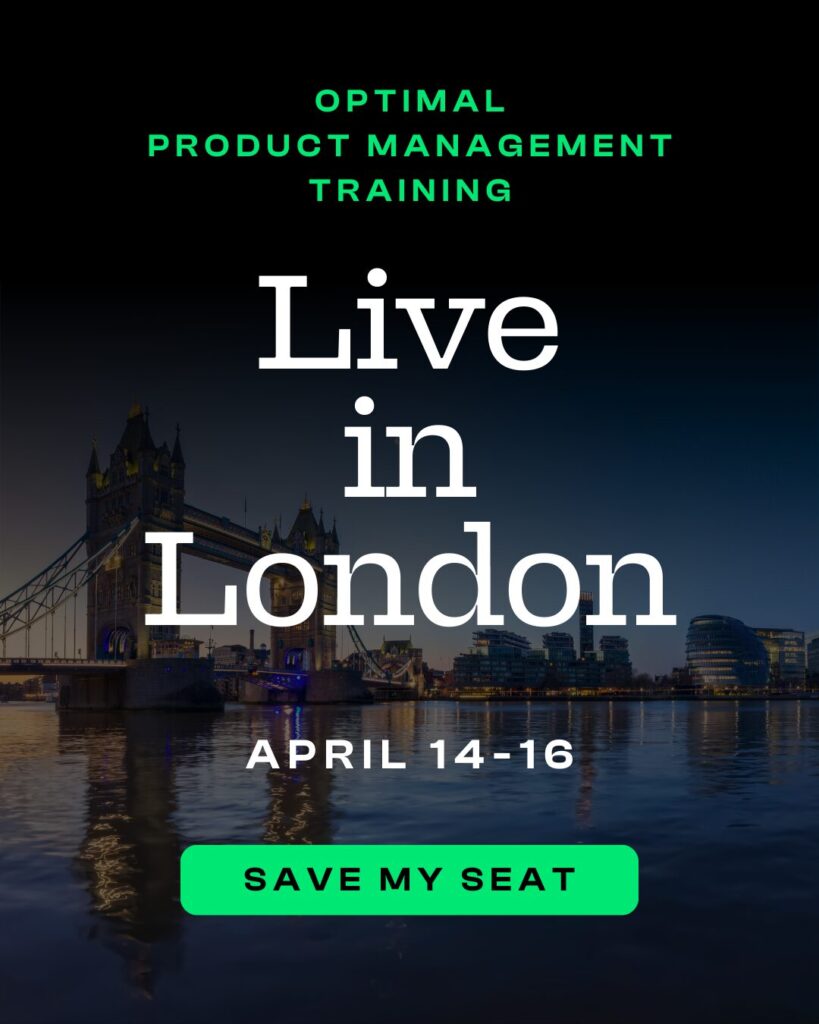
Get a global credential hiring managers recognize. Our product management courses include exam prep, practice, and support. Optimal Product Management includes the AIPMM® Certified Product Manager exam (no upsell). Walk away with skills, artifacts, and a badge that boosts signal with recruiters and L&D.
Your team deserves a trusted model to drive results.
Across startups and enterprises, Productside alumni report sharper strategy, cleaner execution, and faster time-to-impact. Join the community that ships outcomes, then gets recognized for it.
Our product pros have been in the trenches. They’ve launched products, led teams, and solved real-world problems – and they can show you how. They’ll teach your teams to apply, adapt, and succeed.
Principal Consultant and Trainer

Principal Consultant and Trainer

Principal Consultant and Trainer

Principal Consultant and Trainer

Principal Consultant and Trainer
Transform how your product teams work, think, and deliver. Let’s do product better, together.
We offer in-person and live online instructor-led courses, plus self-study options. We also deliver private, custom workshops for teams who want hands-on practice and coaching.
Yes. Courses include the corresponding AIPMM® or Productside exam and lifetime certification. (For example, Optimal Product Management includes the AIPMM® Certified Product Manager exam.)
Absolutely. We specialize in private team training—tailored agendas, live exercises, and flexible schedules. We’ll align content to your goals and coach your team through adoption.
Transformation requires more than out-of-the box training. Our content is built on principles of great product managment and optimal skill transfer practices. Our instructors? They’re experts, not borrowed lecturers. They build custom training programs and continue as advisors to help implement what you and your team have learned. With this combination, you get better outcomes: more successful products, unified strategic focus, and improved stakeholder collaboration.
In our Certification Outcomes survey, 85% of Productside alumni report raises, promotions, or success landing new roles within one year of certification.